
Blog
Aspiring to Translate Science Into Survival
Publication date: 05.28.2026
Scientific discoveries are remarkable achievements, but on their own they are not enough to defeat cancer. For discoveries to truly matter, we must move them forward — to become innovative treatments that reach the people who are waiting for them.
At BioNTech, this conversion is our mission: to translate groundbreaking science into survival for people living with cancer. And this mission connects seamlessly with the theme of this year’s ASCO Annual Meeting, "The Science and Practice of Translation: Improving Cancer Outcomes Worldwide."
Translation is the key to turning discovery into impact
The ASCO theme emphasizes the importance of translational medicine — the process of transforming scientific breakthroughs from the lab bench into medicines that can be used in clinical practice to improve outcomes for people living with cancer. While it may sound straightforward, the journey from discovery to delivery is one of the most complex and collaborative endeavors in medicine.
At BioNTech, we are working to advance innovative therapies that harness the power of the immune system to fight cancer, including next-generation immunomodulators, antibody-drug conjugates and mRNA-based cancer immunotherapies. Our ambition is to turn investigational assets into medicines that can make an impact on their own or work in combination to treat cancer from multiple angles — training the immune system to recognize cancer more effectively, addressing multiple drivers of cancer, targeting tumor cells with even greater precision. With these complementary approaches, we aim to address the full spectrum of cancer, from early-stage disease with a high risk of recurrence to advanced and metastatic cancers.
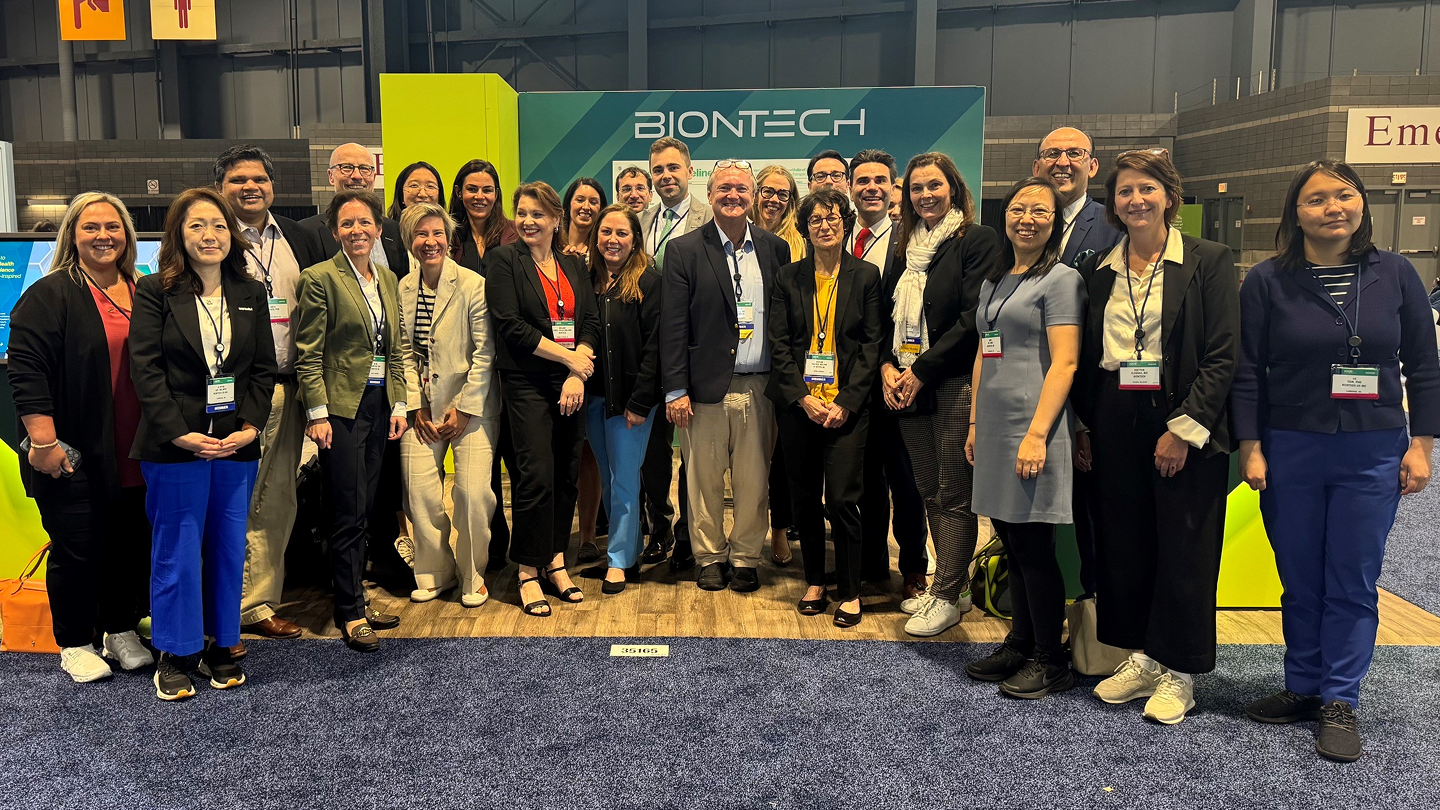
Cancer research is a team effort
We want to redefine what is possible in cancer treatment. Creating meaningful change requires collaboration and the unwavering commitment of many to push boundaries. No single company, organization, or institution moves progress forward in isolation. Real progress happens when researchers, clinicians, advocates, and the people most affected by cancer achieve more together than they ever could individually.
This spirit of collaboration comes to life at events like the ASCO Annual Meeting, where thousands of people from across the oncology community and around the world come together to share data, challenge assumptions, and push the field forward. For us, ASCO is more than a conference — it is a reminder of the collective effort required to turn science into survival. Together, this is how science starts to move.
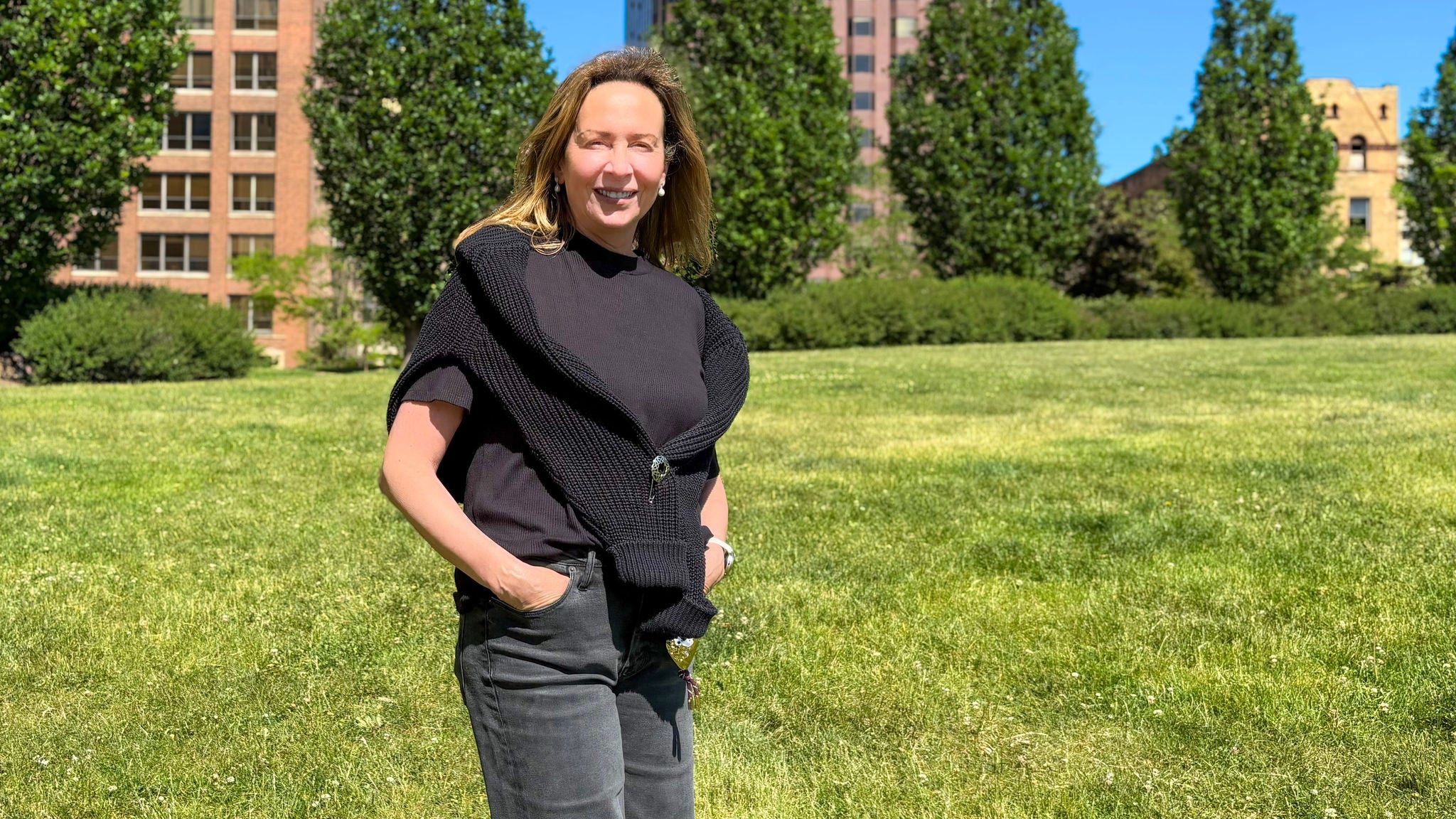
“There is nothing quite like congresses like ASCO — scientists, physicians and advocates dedicated to beating cancer, all in the same place,” says Verónica Hersberger, MD, Vice President and Head of Global Medical Affairs. “For our team, it is a moment of real pride. And a reminder that all the science, all the progress, only matters if it reaches a person who could benefit from it. That is what keeps us going long after the congress ends."
Scientific discoveries must move forward
Delivering better treatment outcomes for patients requires connecting cutting-edge science with the needs of patients. The people living with cancer — and the families and friends supporting them every day — are the reason this work matters. That's a responsibility we carry into everything we do. Every innovation we pursue starts with the needs of patients.
That's why we listen — carefully and consistently — to the people we are working to help, and to the loved ones by their side. Not only about treatments, but about access, quality of life, and the day-to-day realities of living with cancer.
We take this input seriously and use it to inform our progress, from how we design our clinical trials to how we communicate about them. For instance, when we heard from patients that our clinical trial materials could be more patient-friendly, we partnered with health literacy specialists to redesign them. And we empowered our teams to deliver that same simplicity and clarity in all of our clinical trial communications. These efforts reflect our commitment to making clinical trials accessible and empowering for patients, a key aspect of translating science into survival.

“People living with cancer can teach us what no dataset can,” says Fatma Ocak, Senior Vice President and General Manager of U.S. Oncology. “They can describe what it feels like to face a diagnosis, or what makes a clinical trial feel accessible or out of reach. They show us what it takes to feel like a person in an overwhelming process. For us, listening isn’t optional. It is essential.”
Our responsibility is to do this work with rigor, transparency, and urgency — and to listen with humility for how we can better meet the needs of the people depending on us today, and tomorrow.
Because science doesn’t exist to sit still. It exists to move lives forward. This is the promise of translational medicine and the promise that our teams carry forward every day. We will never stop working to translate science into survival to deliver medicines that aim to improve outcomes for people with cancer. Because every discovery is a chance to make a difference.
Learn more about our vision