

Our scientific groundwork
Paving the way for the future of medicine
BioNTech’s pioneering messenger RNA (mRNA) research laid the groundwork for developing the world’s first ever approved mRNA medicinal product. Originally focused on creating mRNA-based cancer immunotherapies, BioNTech’s co-founders, Ugur Sahin and Özlem Türeci, have built a diversified portfolio encompassing various therapeutic modalities to address cancer, as well as infectious, and other serious diseases.
Turning challenges into breakthroughs: BioNTech’s innovations in mRNA research
When optimizing mRNA for the development of mRNA cancer immunotherapy candidates, BioNTech had to face three major challenges previously considered insurmountable:

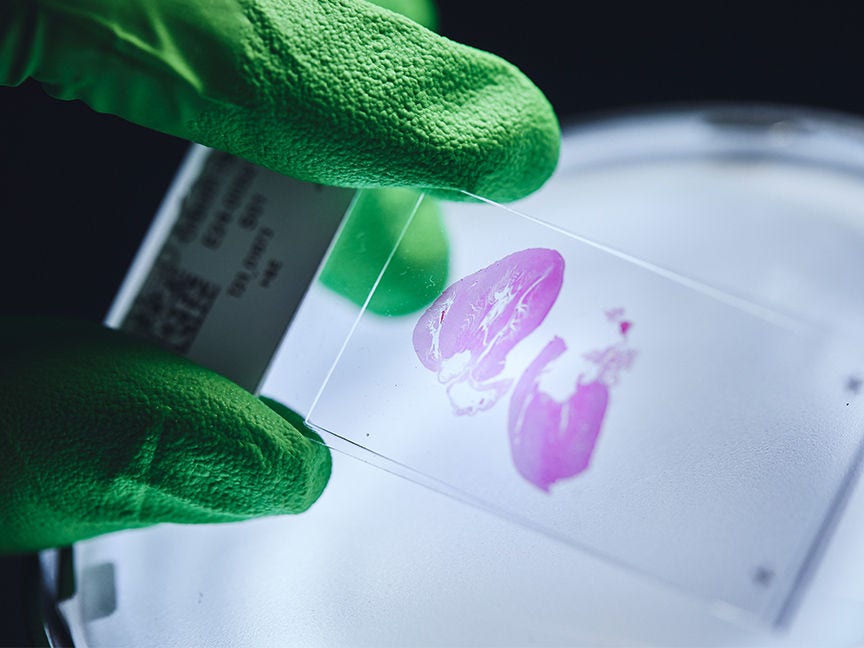
Over two decades, Ugur Sahin, Özlem Türeci, and their teams achieved significant scientific and technological breakthroughs to unlock the full potential of mRNA for cancer immunotherapy:




Refining breakthroughs: Diverse approaches for mRNA optimization
Over several years, Ugur Sahin, Özlem Türeci, and other researchers worldwide solved fundamental issues of RNA-based medicines, using different approaches. Key challenges included addressing inflammation from immune responses to high doses and improving protein production.
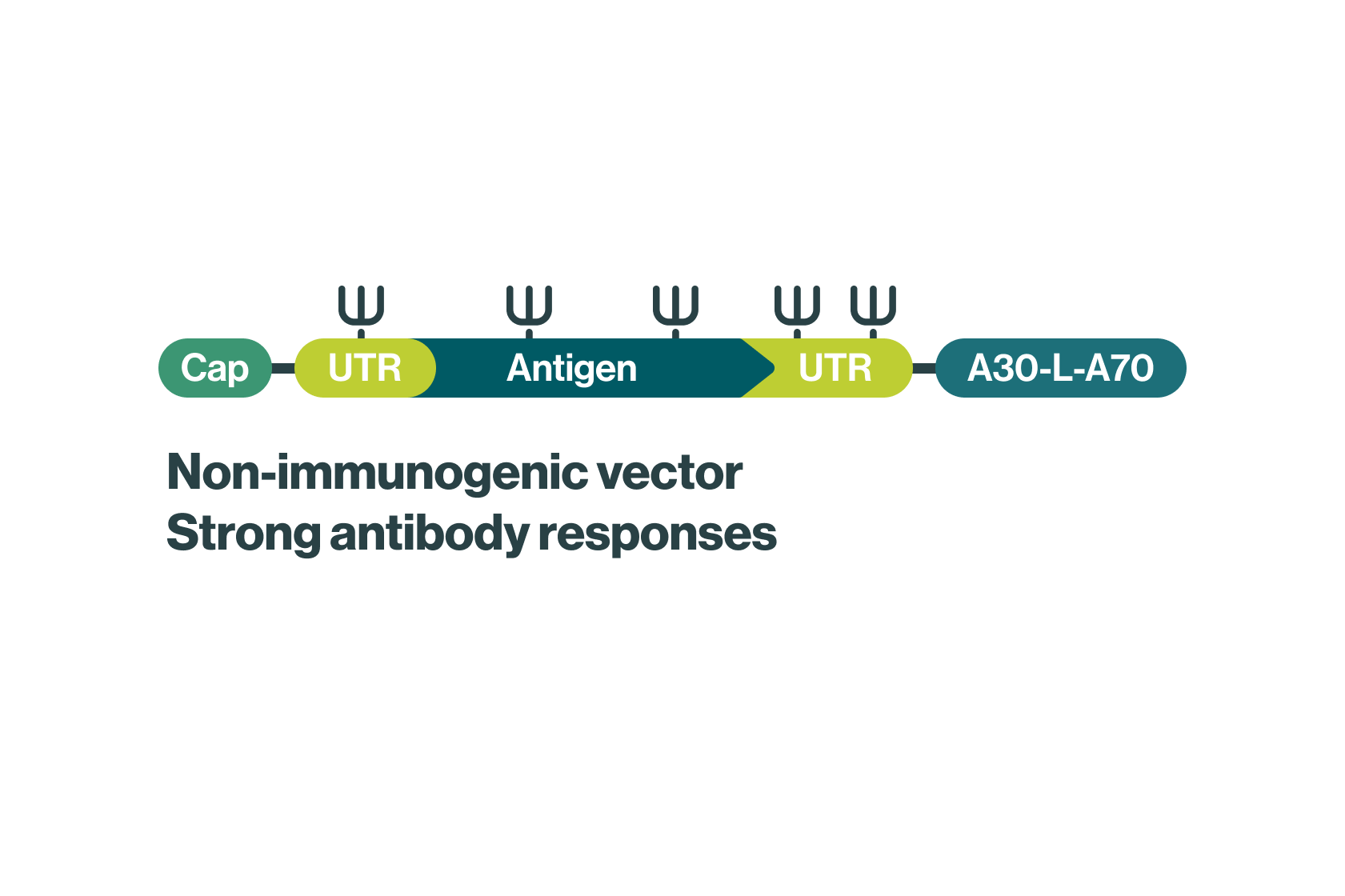
Focusing on mRNA therapies for the treatment of strokes and cerebral diseases, researchers discovered that replacing the nucleotide uridine in mRNA with naturally occurring alternatives such as methylpseudouridine, suppressed RNA-related immune activation and inflammatory responses1,2, allowing for higher doses of the treatment.
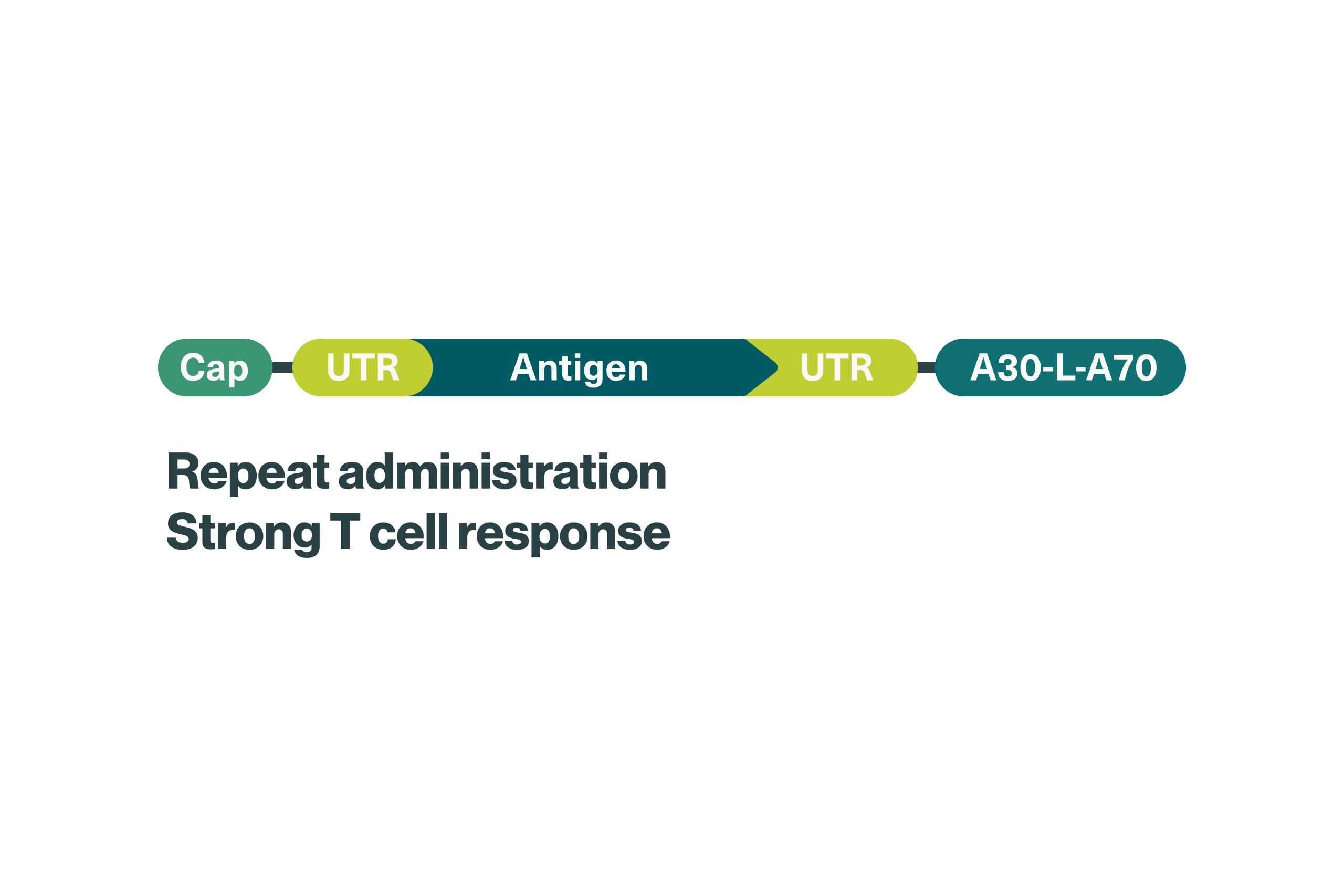
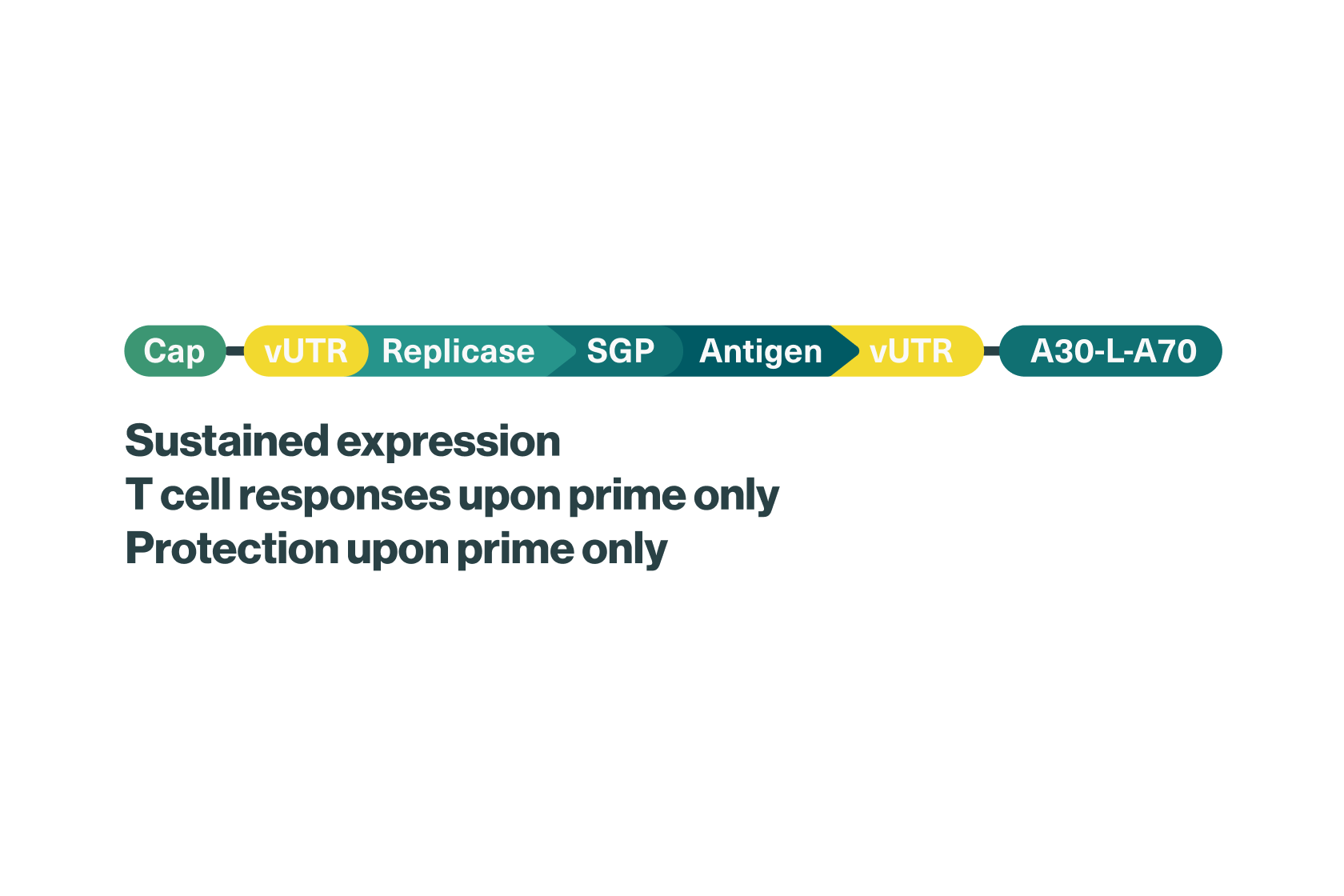
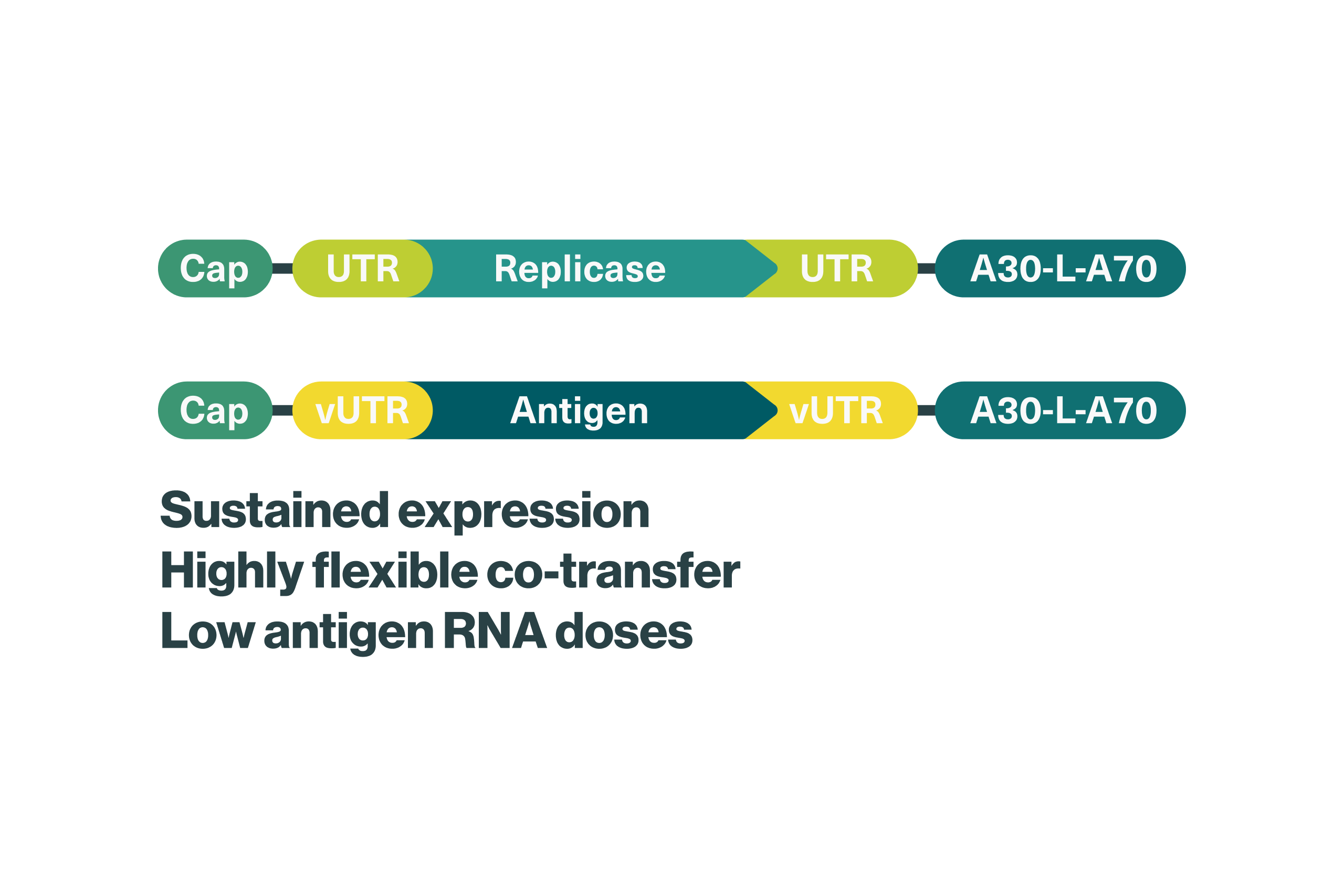
Sahin und Türeci pursued a different approach by developing designs for mRNA’s structural components3,4. They increased mRNA’s intracellular stability and translation efficacy, particularly in immune cells5, thereby enabling lower doses to induce significant, strong immune responses. mRNA thus became potent enough to be used in the pharmaceutical setting.
Optimizing mRNA: Structural improvements to make mRNA more powerful



mRNA formats
Delivery formulations
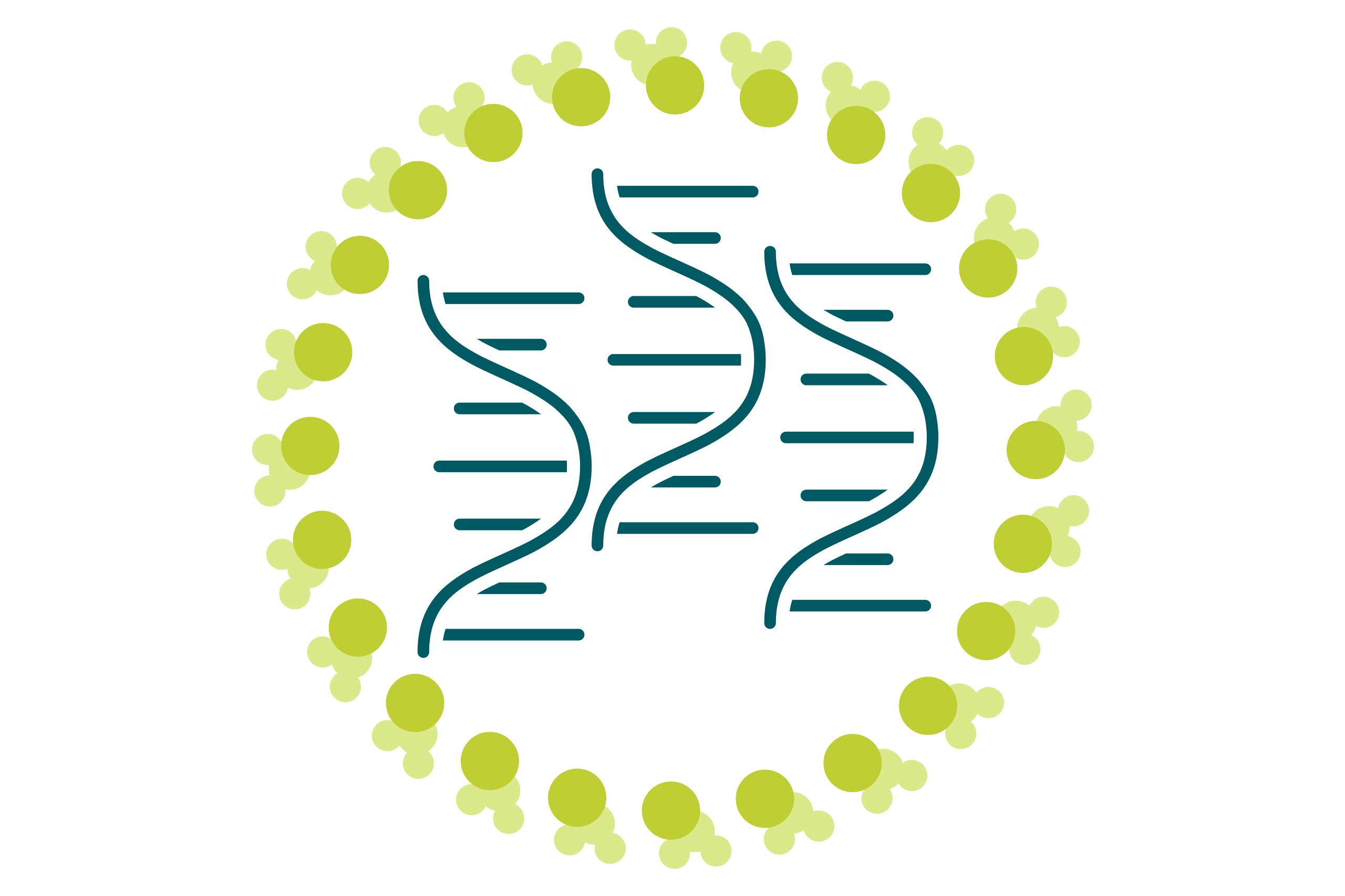
BioNTech has made great progress in developing its mRNA cancer immunotherapy candidates and mRNA vaccine approaches against infectious diseases. A key achievement is the development of lipid nanoparticle formulations for well-protected and targeted mRNA delivery. Sahin and Türeci discovered the mechanism of selective mRNA uptake into dendritic cells and, with their team, developed a lipid nanoparticle formulation that exploited this mechanism to specifically deliver RNA to these cells.
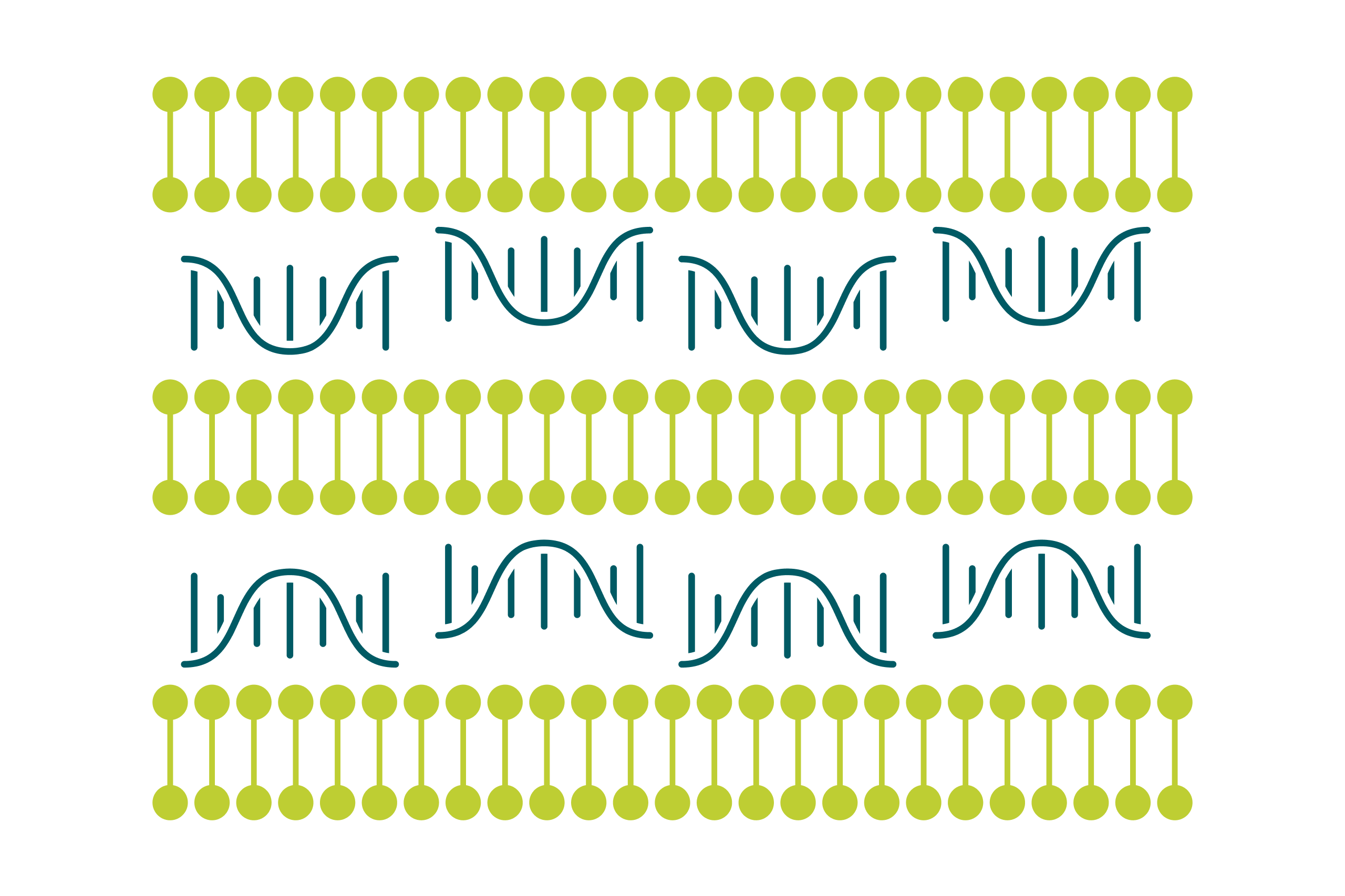
Today, BioNTech exploits various mRNA delivery formulations, each tailored for specific functions and optimized according to application and delivery route:




Sources
1 Karikó K et al., Incorporation of Pseudouridine Into mRNA Yields Superior Nonimmunogenic Vector With Increased Translational Capacity and Biological Stability. Molecular Therapy (2008)
2 Karikó K et al., Suppression of RNA recognition by Toll-like receptors: the impact of nucleoside modification and the evolutionary origin of RNA. Immunity (2005)
3 Holtkamp S et al., Modification of antigen-encoding RNA increases stability, translational efficacy, and T-cell stimulatory capacity of dendritic cells. Blood (2008)
4 Kuhn AN et al., Phosphorothioate cap analogs increase stability and translational efficiency of RNA vaccines in immature dendritic cells and induce superior immune responses in vivo. Gene Therapy (2010)
5 Kreiter S et al., Increased Antigen Presentation Efficiency by Coupling Antigens to MHC Class I Trafficking Signals. The Journal of Immunology (2008)
6 Kreiter S. et al., Mutant MHC class II epitopes drive therapeutic immune responses to cancer. Nature (2015)


